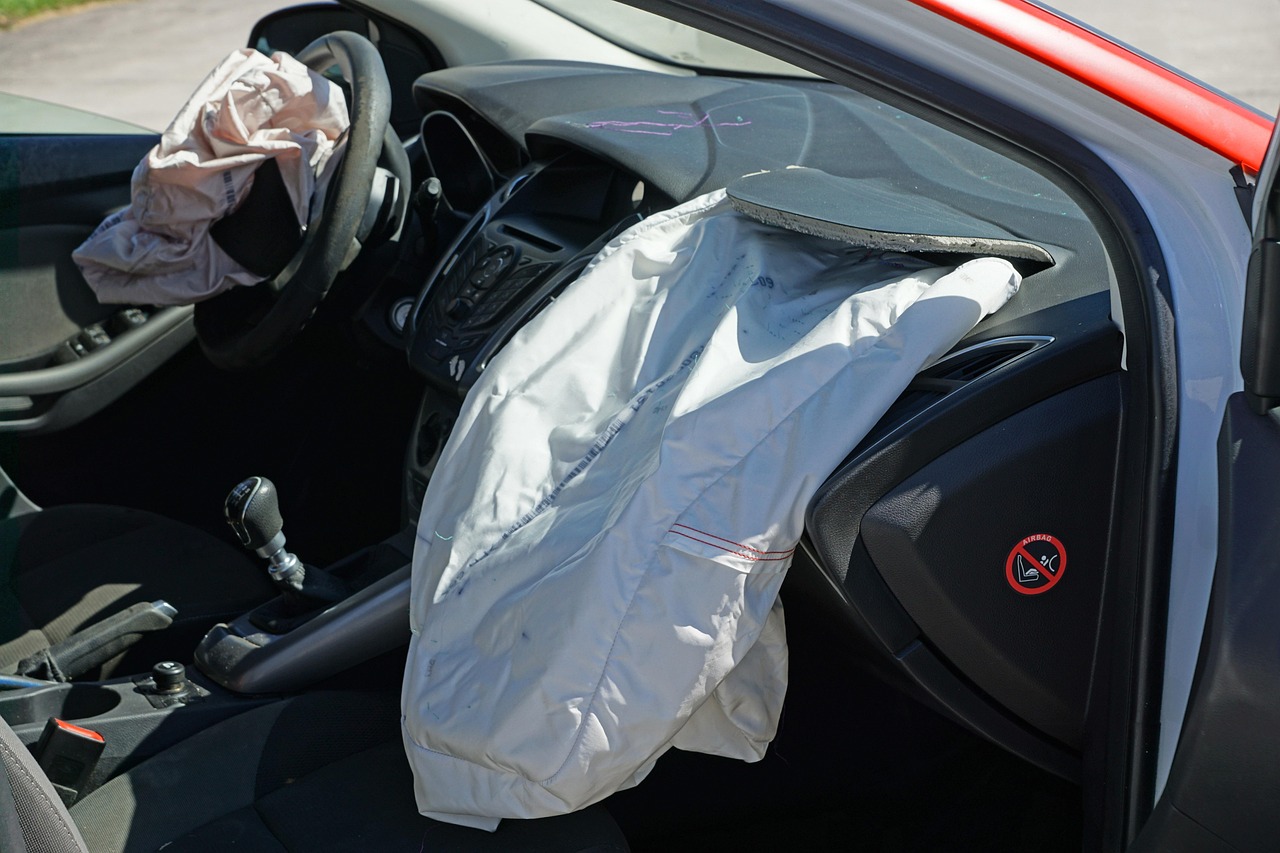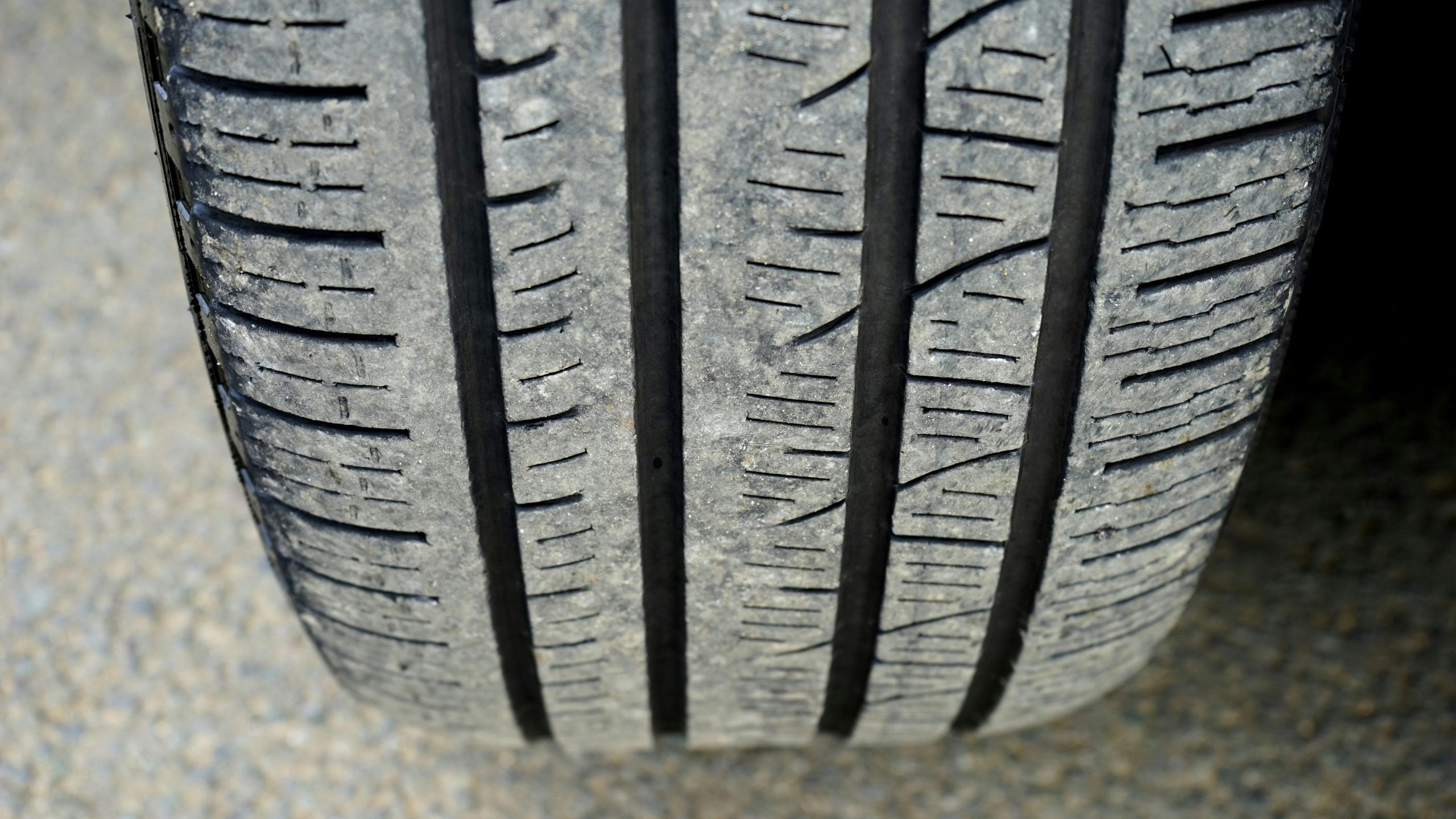

Countless dangerous products are being sold on the market today. A manufacturer owes a duty of care to the public to only create and sell products that are reasonably safe for foreseeable uses. A manufacturer will be held liable for its negligence if it breaches its duty and you are injured by one of its products. Even if the manufacturer was not negligent, it can be held liable under a theory of strict liability if you can prove the product was defective or unreasonably dangerous. A product can be defective or unreasonably dangerous due to a design defect, manufacturing defect, or failure to warn of a potentially dangerous product.
Design Defect – occurs when the product ends up being dangerous, no matter how carefully manufactured. For example, if the gas tank in a car explodes whenever the car is struck at 40 mph, that car has a design defect.
Manufacturing Defect – occurs when there is a mistake in the manufacturing process. For example, if a seat collapsed in an accident because it wasn’t properly bolted down, that particular car was dangerous due to a manufacturing defect.
Failure to Warn – occurs when the manufacturer knows of a danger and does not sufficiently warn the public of that danger. Oftentimes, drug manufacturers fail to warn consumers of the dangers associated with a particular drug.