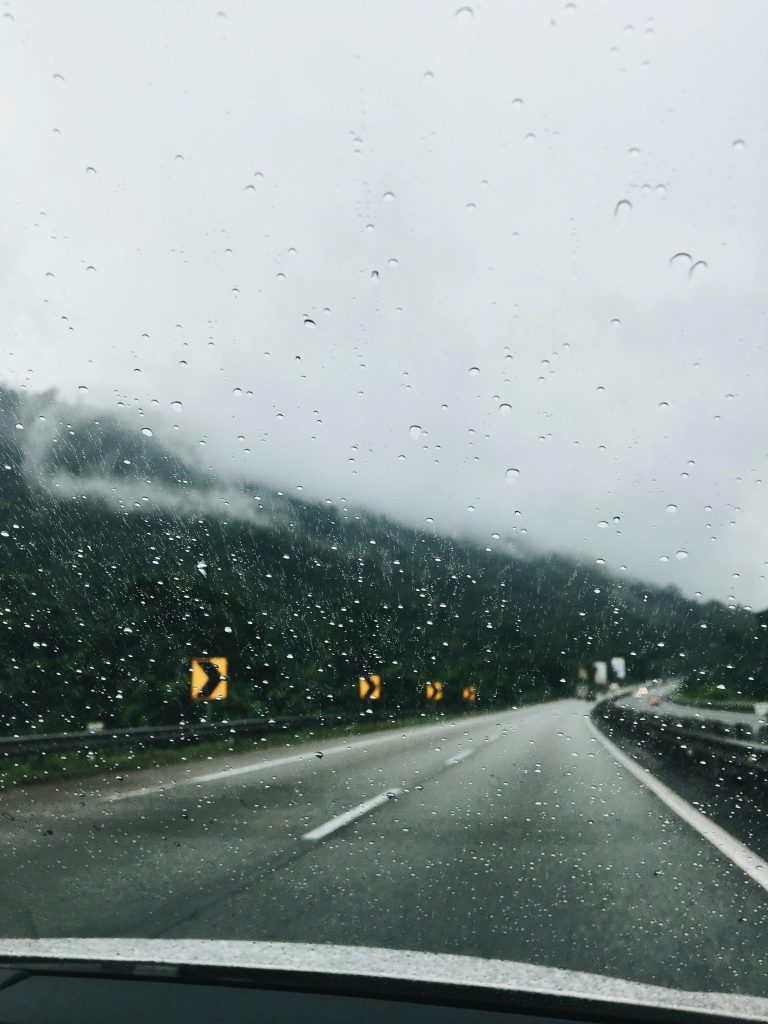
Driving might be a dream on a warm, mild spring day – but when the storm clouds roll in, and the winter freeze comes along, getting around doesn’t seem so enjoyable. According to the Missouri Department of Transportation and the Illinois Department of Transportation, many crashes occur during wet, icy, or snowy conditions. Weather doesn’t necessarily have to be severe to make our roads dangerous. More than 1,500,000 weather-related car accidents happen in the U.S. each year, based on data from the U.S. Department of Transportation (USDOT). Although bad weather can create dangerous driving conditions, for many, it is no excuse to stay off the road, despite the potential for auto accidents.
Illinois and Missouri have somewhat steady weather patterns, with rain, snow, and thunderstorms. While these may seem like mild weather events, mild doesn’t mean that accidents can’t happen. A simple sun-shower can lead to hydroplaning, which can cause shocking collisions. Some weather conditions that can affect drivers include:
* rain showers
* thunderstorms and lightning
* flooding
* hurricanes
* high winds
* tornados
* snow and ice
* hail
Fog, floods, severe winds, and precipitation can affect all motorists in many ways, including: poor visibility, lane obstructions, varying grip on pavement, flooded lanes, reduced street capacity, reduced speeds, delayed travel times, changed traffic patterns, poor vehicle performance, detours, evacuation traffic, nervousness and distraction, road surfact treatments, and poor lighting conditions. These types of bad weather can affect the road but also impact the flow of traffic and a driver’s operating abilities. Even the most skilled driver cannot deny the dangers of bad weather – especially on frequently traveled roads.