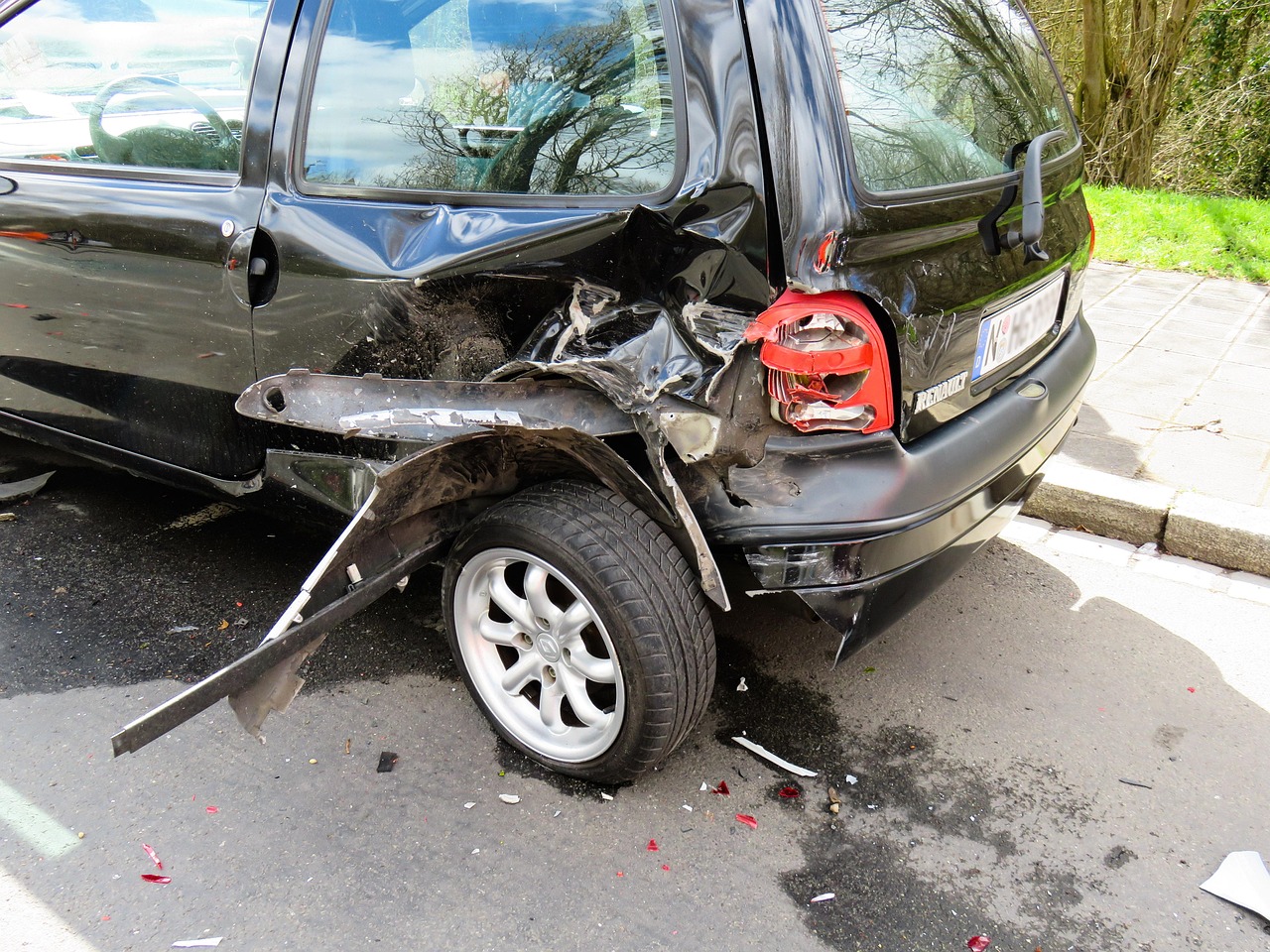

Every day, thousands of drivers take to the road assuming they will safely arrive at their destination. Unfortunately, car crashes remain one of the leading causes of serious injuries in the United States. While careful driving is essential, modern vehicle safety technology has become one of the most important tools for preventing collisions and reducing the severity of injuries when crashes do occur.
From seat belts and airbags to advanced driver-assistance systems, safety features save lives. Understanding how these systems work — and why they matter — can help drivers make smarter decisions when purchasing and operating a vehicle.
The Reality of Car Crash Injuries
Motor vehicle crashes can happen in seconds, often leaving victims with devastating injuries such as:
- Traumatic brain injuries
- Neck and back injuries
- Herniated discs
- Broken bones
- Internal organ damage
- Spinal cord injuries
- Permanent disability
Even low-speed collisions can result in painful and long-lasting injuries. However, safety features are specifically designed to reduce the forces placed on occupants during a crash and, in some cases, prevent the collision entirely.
Seat Belts: The First Line of Defense
Seat belts remain one of the most effective safety features ever developed. According to the National Highway Traffic Safety Administration (NHTSA), seat belts save thousands of lives every year.
Seat belts help by:
- Preventing occupants from being ejected from the vehicle
- Reducing movement during impact
- Spreading crash forces across stronger parts of the body
- Lowering the risk of head and spinal injuries
Without a seat belt, even a moderate crash can throw a person into the steering wheel, dashboard, windshield, or other passengers.
Airbags Help Reduce Severe Impact Injuries
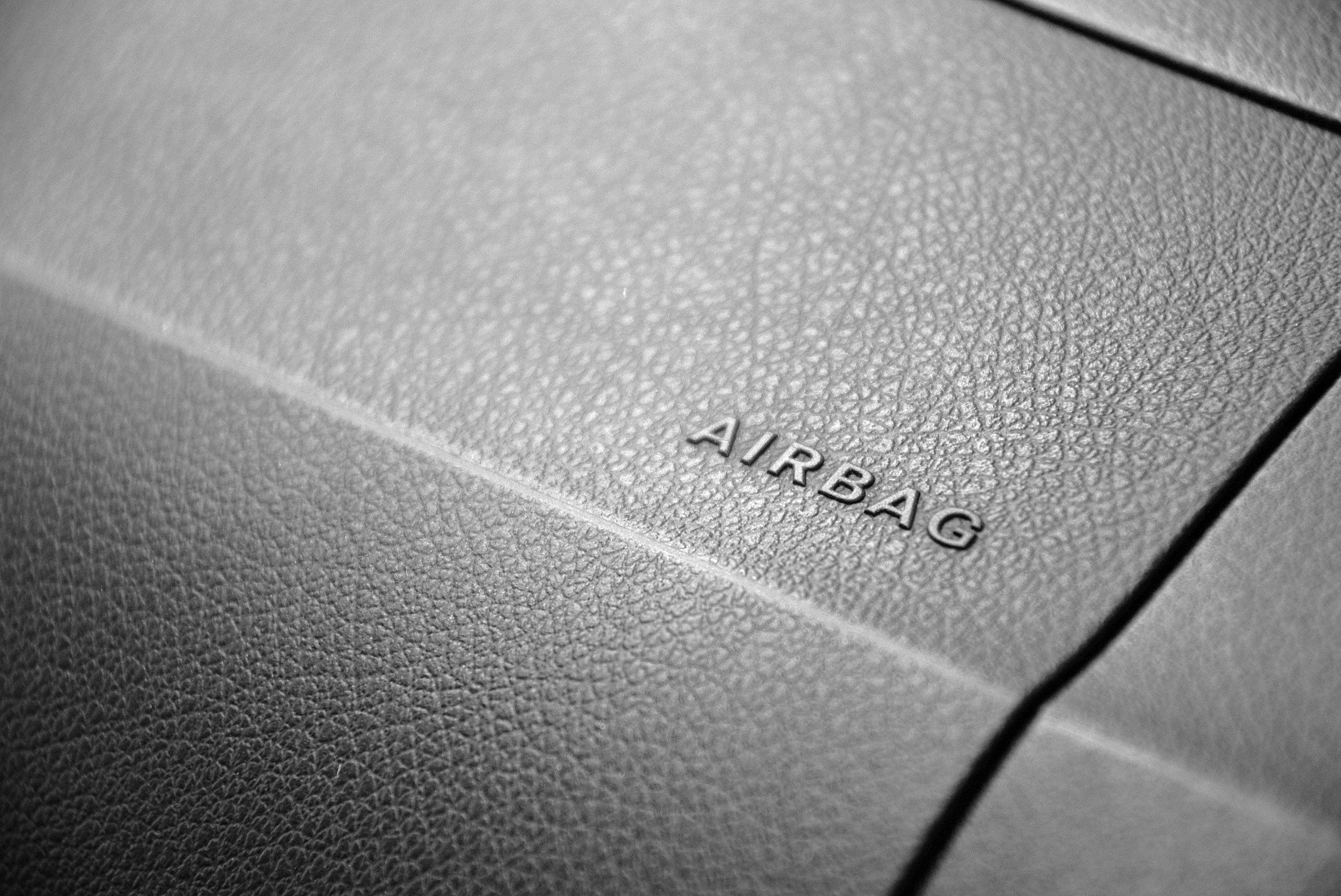
Airbags are designed to work together with seat belts — not replace them. In a collision, airbags rapidly deploy to cushion the impact and reduce trauma to the head, chest, and upper body.
Modern vehicles may include:
- Front airbags
- Side-impact airbags
- Curtain airbags
- Knee airbags
These systems can significantly reduce the risk of catastrophic injuries during high-speed crashes and rollover accidents.
Advanced Driver-Assistance Systems (ADAS)
Technology has dramatically improved vehicle safety over the past decade. Many newer vehicles now include advanced driver-assistance systems designed to help drivers avoid crashes altogether.
Automatic Emergency Braking
Automatic emergency braking systems can detect potential collisions and apply the brakes if the driver fails to react in time. This feature is especially effective in rear-end collisions.
Blind Spot Monitoring
Blind spot monitoring alerts drivers when another vehicle is traveling beside them in a difficult-to-see area. This helps reduce dangerous lane-change crashes.
Lane Departure Warning and Lane Keeping Assist
These systems warn drivers when they drift from their lane and may even gently steer the vehicle back into position. This technology can help prevent crashes caused by distraction or fatigue.
Rearview Cameras and Parking Sensors
Backing accidents can seriously injure pedestrians, cyclists, and children. Rearview cameras and parking sensors improve visibility and help drivers avoid these preventable crashes.
Adaptive Cruise Control
Adaptive cruise control automatically adjusts a vehicle’s speed to maintain a safe following distance from traffic ahead. This can help reduce highway collisions caused by sudden slowdowns.
Vehicle Design Plays a Major Role
Crashworthiness — the ability of a vehicle to protect occupants during a collision — is another critical factor in injury prevention.
Modern vehicles are built with:
- Reinforced passenger compartments
- Crumple zones that absorb crash energy
- Stronger roof structures
- Improved side-impact protection
These engineering improvements help reduce the forces transferred to occupants during a crash.
Larger Vehicles Are Not Always Safer
Many people assume larger vehicles are automatically safer, but safety depends on far more than size alone. A vehicle with poor crash ratings and outdated safety systems may provide less protection than a smaller vehicle equipped with modern safety technology.
When purchasing a vehicle, drivers should review:
- Crash test ratings
- Available safety features
- Recall history
- Safety technology packages
Distracted and Impaired Driving Still Cause Serious Crashes
Even the best safety features cannot eliminate every danger on the road. Distracted driving, speeding, impaired driving, and reckless behavior continue to cause severe crashes every year.
Safety technology should never replace responsible driving habits. Drivers should:
- Avoid texting while driving
- Follow speed limits
- Never drive impaired
- Stay alert and focused
- Maintain safe following distances
Safety Features Can Also Affect Injury Claims
After a crash, vehicle safety systems may become important evidence in an injury case. Crash data recorders, airbag deployment information, braking data, and other vehicle technology can help investigators determine how the collision occurred.
In some cases, defective safety equipment or vehicle design may even contribute to injuries, potentially leading to product liability claims against manufacturers.