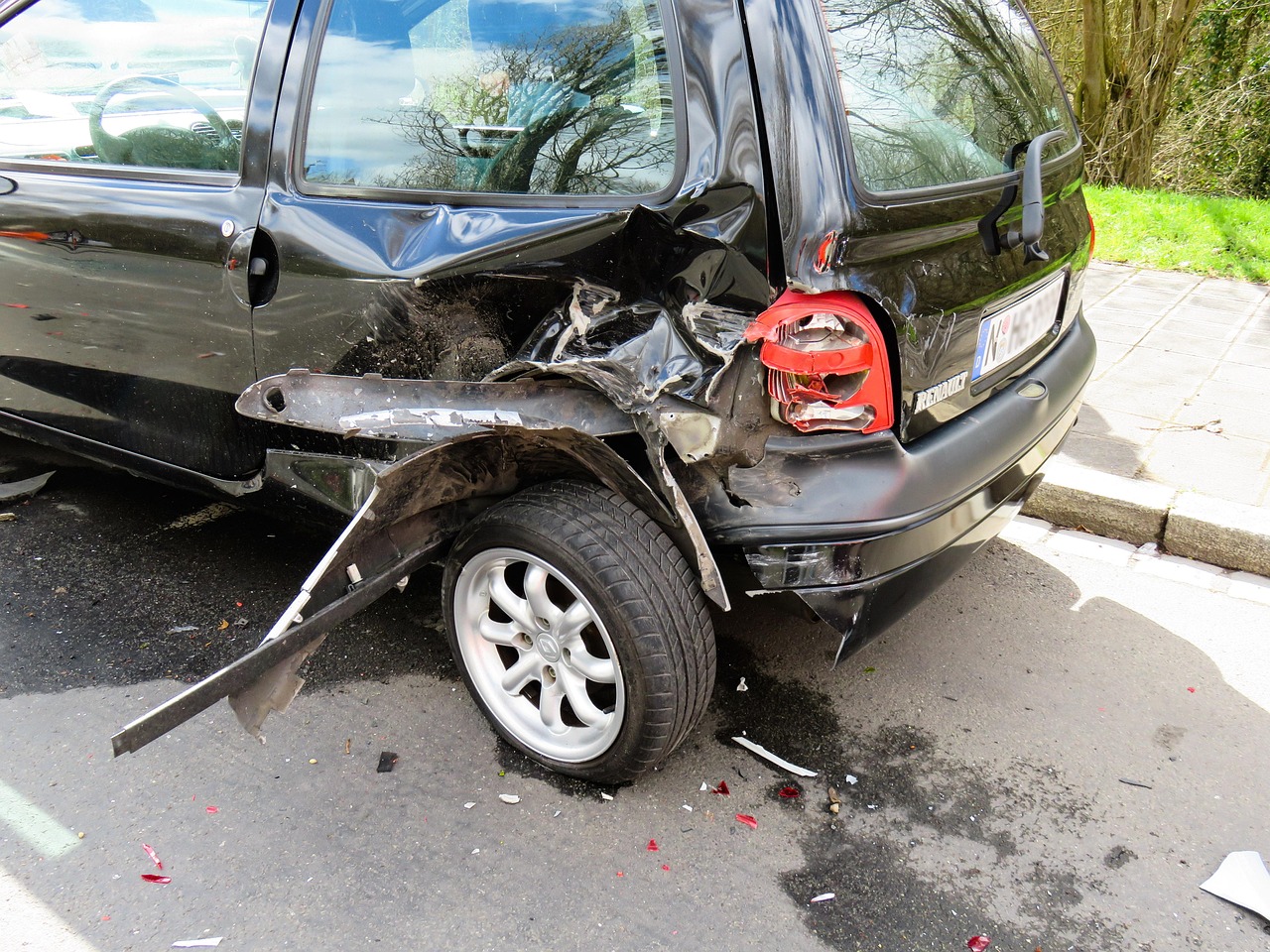


One of the things an injured party must prove in a car accident claim is that the car accident actually caused the injury. This is known as causation. When someone suffers a broken bone or laceration as a result of a car accident, it is pretty easy to establish this causation requirement. It can become a bit more difficult when there is a back or neck injury.
With each year that passes by, we are exposed to more opportunities to injure ourselves. It is not uncommon for individuals to injure their backs or necks in one way or another throughout their lifetime. Even when there is no specific injury, it is very likely that as we age, our spine will suffer from some form of arthritis. This arthritis, also known as degeneration, can show up on X-rays, MRIs, or CT scans. It can cause us pain or can remain asymptomatic until trauma aggravates it to the point of causing pain.
Typically, with neck and back injuries, the at-fault insurance company will argue that the person had a pre-existing condition prior to the crash. The insurance adjuster will try to find prior radiological scans showing indications of prior problems or medical records showing prior complaints of pain.
A skilled car accident attorney can deal with this issue effectively. If a lot of time has passed from the last complaint of pain until the crash or from the last x-ray and the crash without intervening pain, there is a good argument that these prior pieces of evidence simply don’t matter. In Illinois, there is a helpful jury instruction on this issue. Instruction 30.21 provides:
If you decide for the plaintiff on the question of liability, you may not deny or limit the plaintiff’s right to damages resulting from this occurrence because any injury resulted from EITHER an aggravation of a pre-existing condition or a pre-existing condition that rendered the plaintiff more susceptible to injury.
This jury instruction is helpful because, at a trial, the judge would read this to the jurors. The jurors are not to reduce damages simply because the plaintiff had a prior back injury, for example. Nor can the jury reduce damages because the plaintiff had a condition (a fragile spine from osteoporosis, for example), making future injury more likely.
Thankfully, there is a similar jury instruction in Missouri. In Missouri, the important instruction is Missouri Approved Instruction 4.01 which states that the collision must have “directly caused or directly CONTRIBUTED to cause.” So, we do not have to prove that the crash was the only cause of your injury – just that it contributed to the injury.
The insurance companies may point to your prior injuries, but we know how to work around them. Sometimes, clients express concern that they will not be fully compensated following a crash because they had a prior injury. It is important to know that a prior injury or medical condition does not necessarily reduce your ability to obtain full compensation for your injury.